

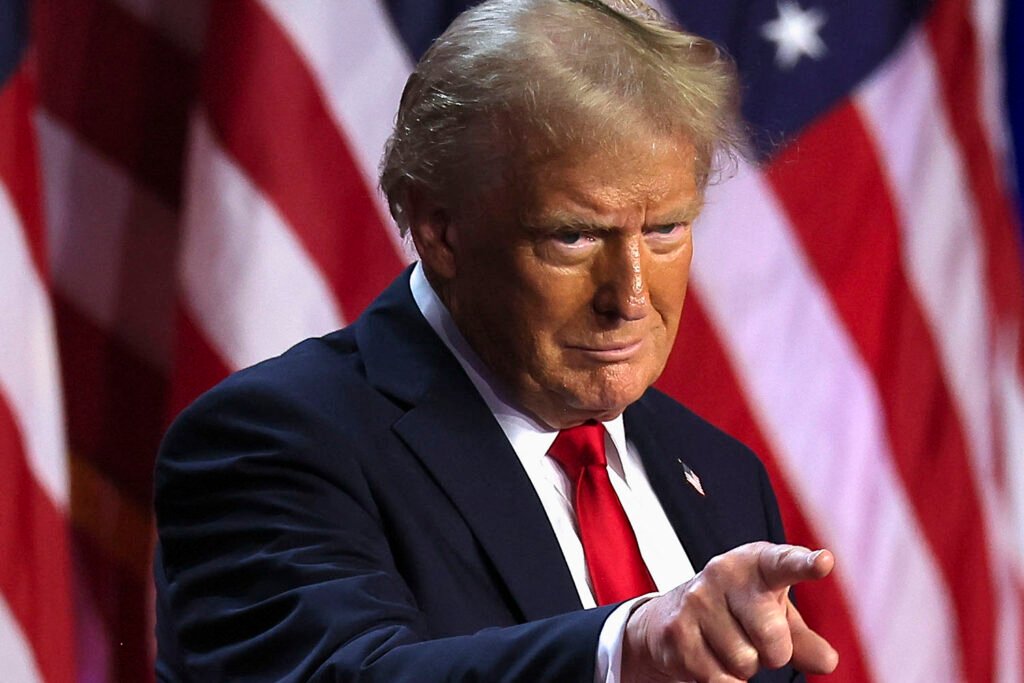
Global financial markets experienced significant volatility as U.S. President Donald Trump announced plans to impose tariffs on multiple European countries in connection with his controversial bid to acquire Greenland. Trump’s threat to levy 10% tariffs from February 1, rising to 25% by June on goods from Denmark, Norway, Sweden, France, Germany, the Netherlands, Finland and Britain rattled investors, sending the U.S. dollar lower and prompting flows into traditional safe havens such as the Swiss franc and Japanese yen.
European Union officials swiftly condemned the proposed measures as “economic blackmail,” warning that they risk damaging transatlantic ties and could invite coordinated retaliation. While European stock benchmarks remained resilient in some sectors, currency markets reflected growing caution, underscoring how political decisions at the highest level can quickly reverberate through global capital markets. Analysts say the episode complicates investor outlooks just as major policy makers and CEOs prepare to gather at the World Economic Forum in Davos later this week, where geopolitical and economic tensions are expected to dominate the agenda.