
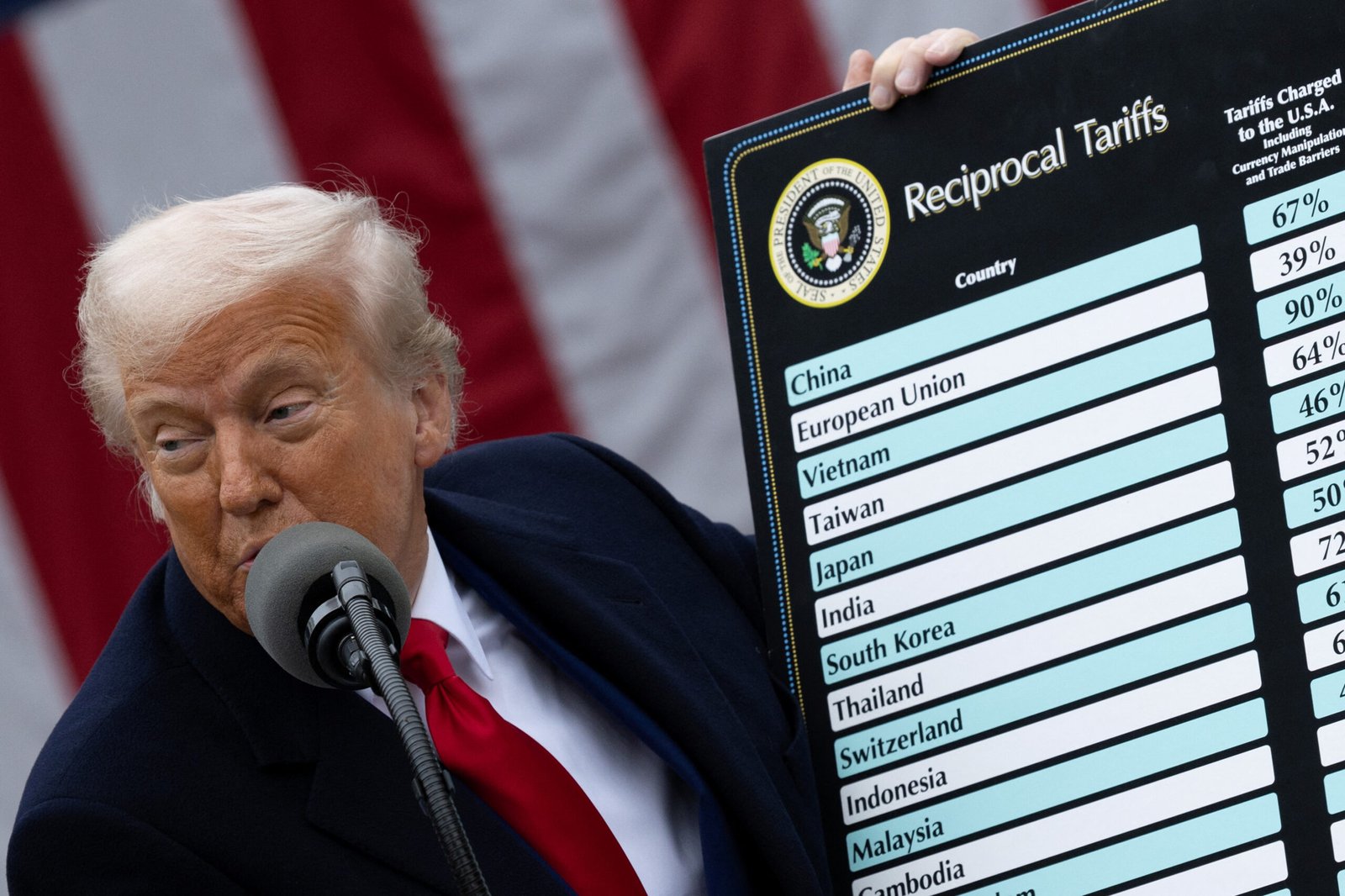
Global financial markets are shaking as U.S. President Donald Trump escalates tensions with Europe by threatening significant tariffs on eight European nations — including the UK, France, Germany and Denmark — unless they support his controversial pursuit of Greenland. The proposed tariffs, initially set at 10% from February 1 and escalating to 25% by June 1, sparked immediate condemnation from European Union leaders and NATO allies, who described the move as coercive and destabilizing. In economic capitals from London to Frankfurt, traders are bracing for volatility, with the euro weakening, sterling under pressure, and safe-haven assets such as gold climbing.
European governments have reacted not only diplomatically but also economically; Brussels is reportedly preparing counter-tariffs worth up to €93 billion, while key leaders warn that the standoff could undermine decades of post-war transatlantic cooperation. Analysts suggest that this dispute — emerging against the backdrop of the 2026 World Economic Forum — could have lasting implications for the rules-based global trading system, investor confidence, and geopolitical alignment.